The Unemployment-AfD Hypothesis: Deconstructing the Correlation in German Districts
The rise of populist parties across Europe has prompted intense scrutiny into the underlying socioeconomic factors influencing voter behaviour. In Germany, the Alternative for Germany (AfD) has garnered significant attention, with a common hypothesis suggesting its support is strongest among those experiencing economic hardship, fear of social decline, or a general sense of being left behind. This article delves into this "unemployment-AfD hypothesis," examining its validity across German electoral districts (Wahlkreise) and focusing on how economic indicators like unemployment ratios and income levels may correlate with the party's election results. We'll explore this complex relationship, considering specific examples and nuances, including what an analysis of an area like Wahl Landkreis Neu Ulm might reveal about broader trends.
Unpacking the Core Hypothesis: Economic Anxiety and Political Disaffection
The notion that economic deprivation fuels support for populist or far-right parties is deeply rooted in political science and sociology. Proponents of the unemployment-AfD hypothesis often point to several interconnected factors:
- Economic Anxiety: Individuals facing unemployment, precarious employment, or a decline in real wages may feel insecure about their future and that of their families. This anxiety can translate into a search for radical political alternatives promising a return to perceived stability or prosperity.
- Fear of Social Decline: Even those not directly experiencing unemployment may fear falling down the social ladder. This 'fear of declassing' can be a powerful motivator, leading voters to reject established parties seen as failing to protect their status.
- Perceived Neglect: Regions or communities suffering from deindustrialization, outward migration, or a lack of investment can foster a sense of being ignored by the political establishment. The AfD's anti-establishment rhetoric often resonates strongly in such areas.
- Disillusionment with Traditional Parties: When mainstream parties are perceived as failing to address economic grievances, voters may turn to alternatives that offer simple, often nationalistic, solutions.
The "unemployment-AfD-accordance hypothesis" posits that there's a direct or similar rank order between an area's economic status (e.g., unemployment rate) and the AfD's vote share. In simpler terms, poorer areas with higher unemployment should, theoretically, show higher AfD support, and vice versa. Our objective is to test this idea, not through rigorous statistical p-values, but by visually and analytically comparing these geographical distributions across German Wahlkreise.
Mapping Economic Distress and Political Outcomes Across German Wahlkreise
To effectively test the hypothesis, the approach involves mapping various statistical data to Germany's electoral districts. This allows for a granular, geographical examination of the relationship between economic well-being and voting patterns. The key data points under consideration are:
- AfD Election Results: The percentage of votes the AfD garnered in Bundestag elections within each *Wahlkreis*.
- Unemployment Ratio: The percentage of the working-age population without a job in that specific *Wahlkreis*.
- Income Levels: Often measured as average or median disposable household income, providing another layer to the economic picture.
By comparing these figures, particularly by ranking districts according to each metric, we can visually identify areas where the hypothesis holds strong or where it breaks down. For instance, a district might be colored 'red' if it has high unemployment AND high AfD votes, and 'blue' if it has low unemployment AND low AfD votes. This method helps to reveal patterns that a nationwide average might obscure. For a detailed look into the broader methodology of correlating these datasets, you can explore AfD Votes & Unemployment: Mapping German Wahlkreise Data.
The Case of Wahl Landkreis Neu Ulm: A Regional Perspective
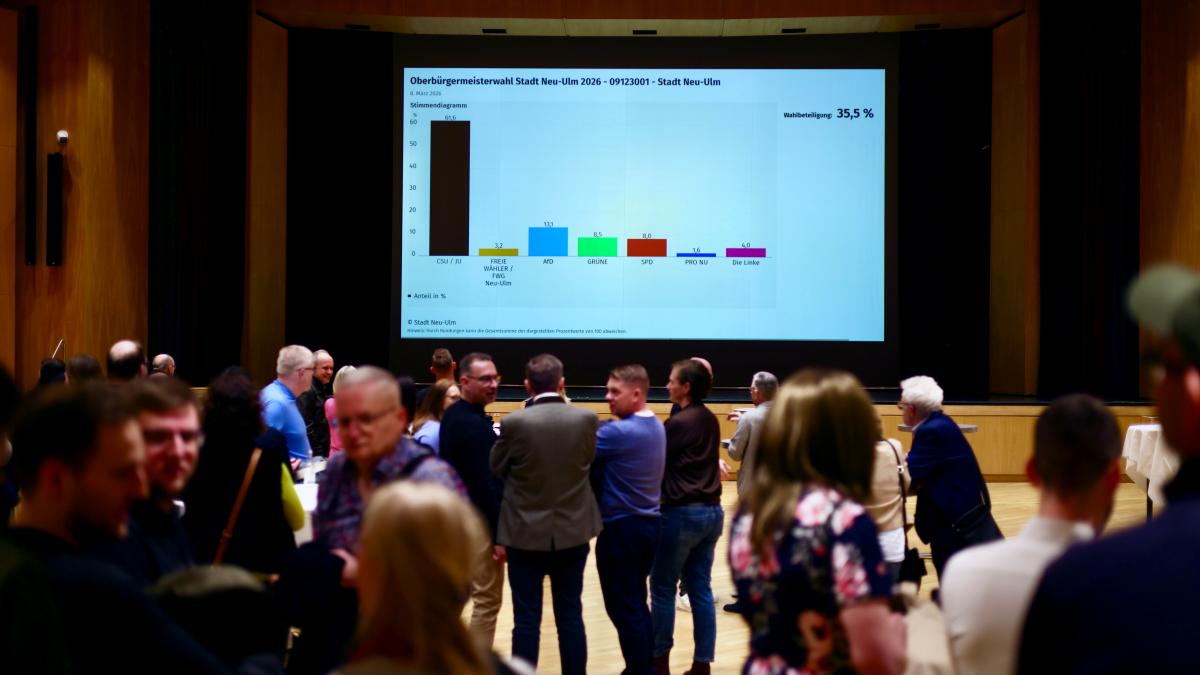
When discussing German electoral districts, it's essential to move beyond abstract national trends and consider specific regions. While comprehensive, specific data for Wahl Landkreis Neu Ulm isn't provided in the reference, we can use it as an exemplary case study to illustrate the complexities involved. Neu-Ulm is a district in Bavaria, a state often characterized by strong economic performance and relatively low unemployment compared to other parts of Germany. If we were to apply the mapping approach to Wahl Landkreis Neu Ulm, several scenarios could emerge:
- Scenario 1: Low Unemployment, Low AfD Support. This would align perfectly with the traditional unemployment-AfD hypothesis, suggesting a direct correlation between economic well-being and rejection of the AfD.
- Scenario 2: Low Unemployment, High AfD Support. This outcome would challenge the simple hypothesis, indicating that factors beyond immediate economic deprivation are at play. In a prosperous region like parts of Bavaria, other issues such as cultural identity, immigration, or dissatisfaction with national politics might be more influential.
- Scenario 3: Pockets of Higher Unemployment, Higher AfD Support. Even within generally prosperous regions, specific sub-regions or towns might face localized economic challenges (e.g., due to specific industry closures). If these areas within Wahl Landkreis Neu Ulm show higher AfD support, it would lend credence to the hypothesis on a micro-level.
Analyzing districts like Wahl Landkreis Neu Ulm offers valuable insights. Bavaria's overall economic strength, combined with varying degrees of AfD success, suggests that while economic factors might be relevant, they rarely tell the whole story. The nuances within a prosperous state like Bavaria highlight the need to look deeper than surface-level correlations, examining local industry structures, demographic shifts, and regional political cultures. For more on how these economic indicators intertwine with election outcomes, see German Elections: How Income & Joblessness Shape AfD Support.
Beyond Economics: Unraveling the Multifaceted Drivers of AfD Support
While the unemployment-AfD hypothesis provides a compelling starting point, a comprehensive understanding of the party's appeal requires acknowledging a broader array of factors. Human motivation and political choices are rarely monocausal, and German electoral behaviour is no exception. Beyond mere joblessness or income levels, several other elements contribute to the AfD's support base:
- Cultural Grievances and Identity Politics: Many AfD voters express concerns about national identity, traditional values, and perceived threats to their way of life. Debates around immigration, integration, and cultural change often resonate more deeply than purely economic arguments.
- Disillusionment with the Political Establishment: A significant portion of AfD voters feels unrepresented by mainstream parties, viewing them as out of touch or corrupt. The AfD effectively positions itself as an anti-establishment voice, attracting voters frustrated with the status quo regardless of their economic standing.
- Regional Disparities Beyond Wealth: Historical factors, such as the legacy of East Germany, continue to shape political landscapes. Even with improving economic conditions, a lingering sense of being "second-class citizens" or a lack of institutional trust can manifest in protest votes.
- Social Media and Echo Chambers: The proliferation of social media has allowed for the rapid spread of narratives that reinforce existing anxieties and biases, often bypassing traditional media outlets. This can create echo chambers that solidify support for parties like the AfD, regardless of factual economic conditions.
- Media Representation and Perceptions: How issues like crime, immigration, or even economic performance are framed in the media can significantly influence public perception and, consequently, voting behaviour.
Therefore, while an analysis of unemployment and income in districts like Wahl Landkreis Neu Ulm can reveal valuable correlations, it's crucial to interpret these within a wider sociopolitical context. A low unemployment rate in a given area doesn't automatically preclude high AfD support if other grievances—cultural, social, or political—are prevalent. Similarly, high unemployment doesn't guarantee AfD success if other parties effectively address those economic concerns.
Conclusion: A Nuanced View of Voter Behavior in German Districts
The "unemployment-AfD hypothesis" offers a valuable lens through which to examine populist support in Germany. Mapping AfD election results against economic indicators like unemployment ratios and income levels in specific Wahlkreise, including potential insights from regions like Wahl Landkreis Neu Ulm, reveals some compelling patterns. Areas with higher economic deprivation often do show increased support for the AfD, aligning with the idea that economic anxiety fuels political discontent. However, the analysis also underscores that economic factors are rarely the sole drivers of voter choice. Prosperity in a district does not automatically inoculate it against AfD support, just as hardship does not guarantee it. Cultural grievances, identity politics, disillusionment with traditional parties, and regional histories all play significant, interacting roles. Understanding the rise of the AfD, therefore, requires a comprehensive and nuanced approach, moving beyond simple correlations to embrace the complex interplay of economic, social, and cultural dynamics at play across Germany's diverse electoral landscape.